
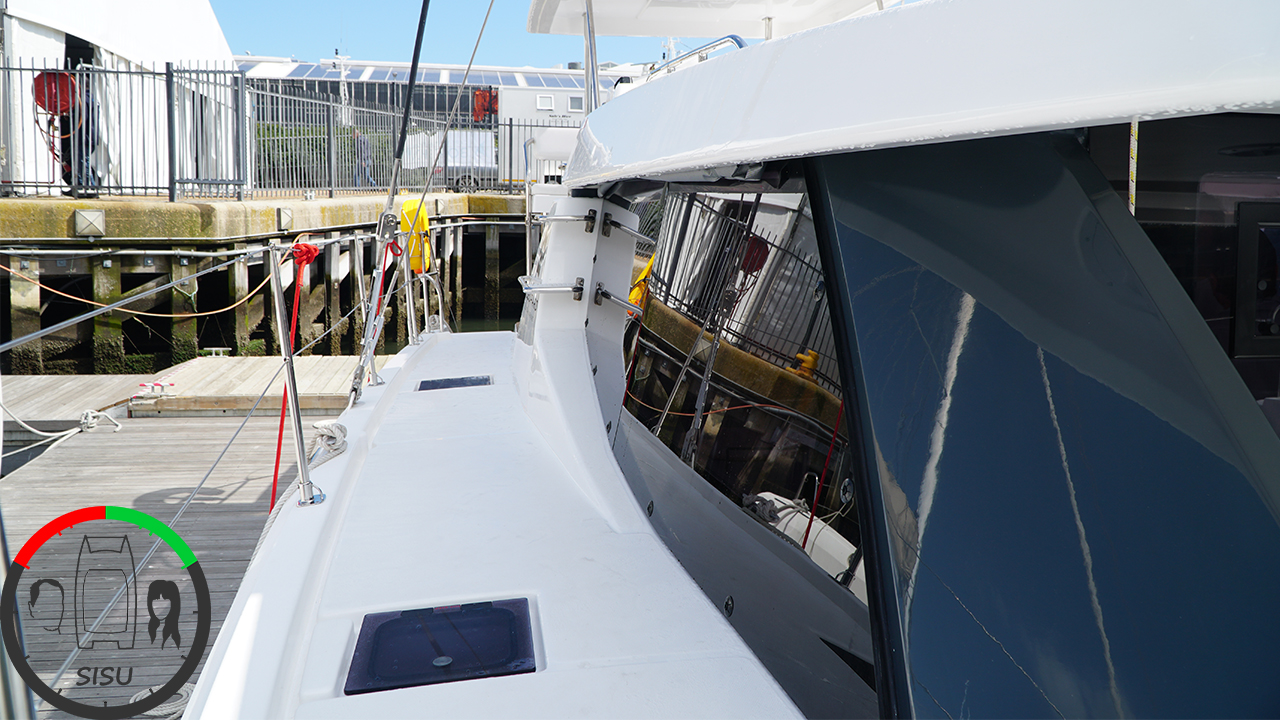
The next question is second hand or a new one. This is normally a very tough call to make for any first-time boat owners. I don’t think there is a right or wrong answer, as it totally depends on your take on taste, budget, mechanical and technical know-how and what generally blows your hair back. We have looked at numerous debates on YouTube on this topic. And I guess it is again what you can afford.
At first our focus was on a second-hand boat for the following reasons:
You can get more boat for the same money and depreciation has already taken its toll. The boat will most likely be kitted already with most, if not all, the electronics you need – it has already done a couple of tacks and turns. See David Pascoe’s explanation of how to calculate depreciation
The boat has already gone through the “shakedown” so all or any defects would have been dealt with – and your ego remains intact knowing you did not inflict the first scratch or ding (not that you intend banging it up against the first available jetty, but hey, sh@t happens…)
You have the advantage of commissioning a Marine Surveyor, they see what we can’t. If his stamp of approval has been given, you can comfortably smile and sign. There are plenty sites where you can look these guys up e.g. http://www.marinesurvey.org/. There is a wide variety of Second Hand boats for sale, so you can shop until you drop, and they are available immediately, so anchors away.
But there is a caveat. A 10-year-old 46ft Catamaran may cost half the price of a new one, but you start from day one to pay for things to be fixed. And from what I have seen, is that one needs to fix A LOT of things on a 10-year boat. Sails, ropes, bilge pumps, toilet (head) fittings, anchors, sometimes standing rigging, sometimes an engine, water pumps, water makers, electronics, etc. The list goes on. The nice thing is, you may only need to replace that as you sail, but for sure you will need to have a serious look at the mentioned and other parts before crossing an ocean.
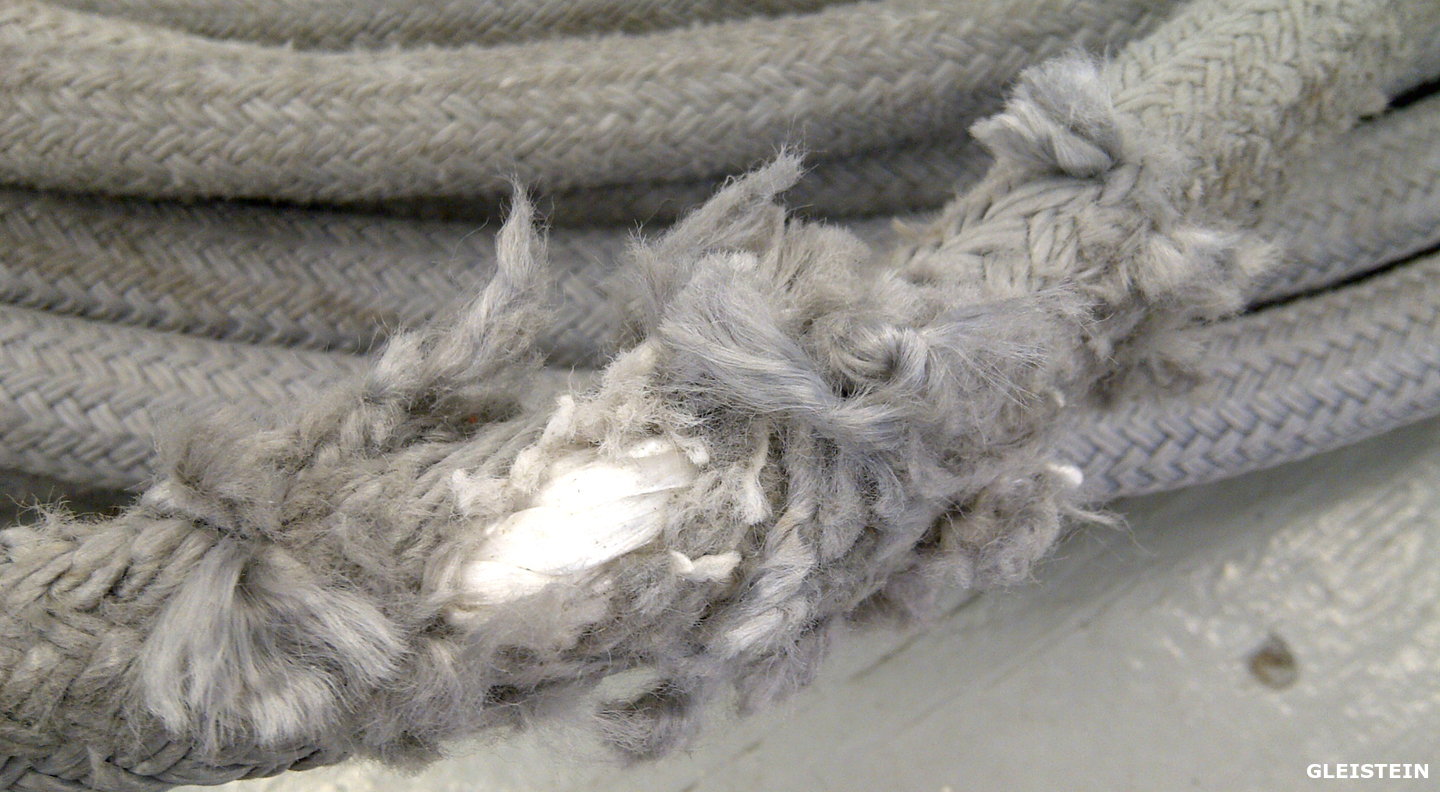
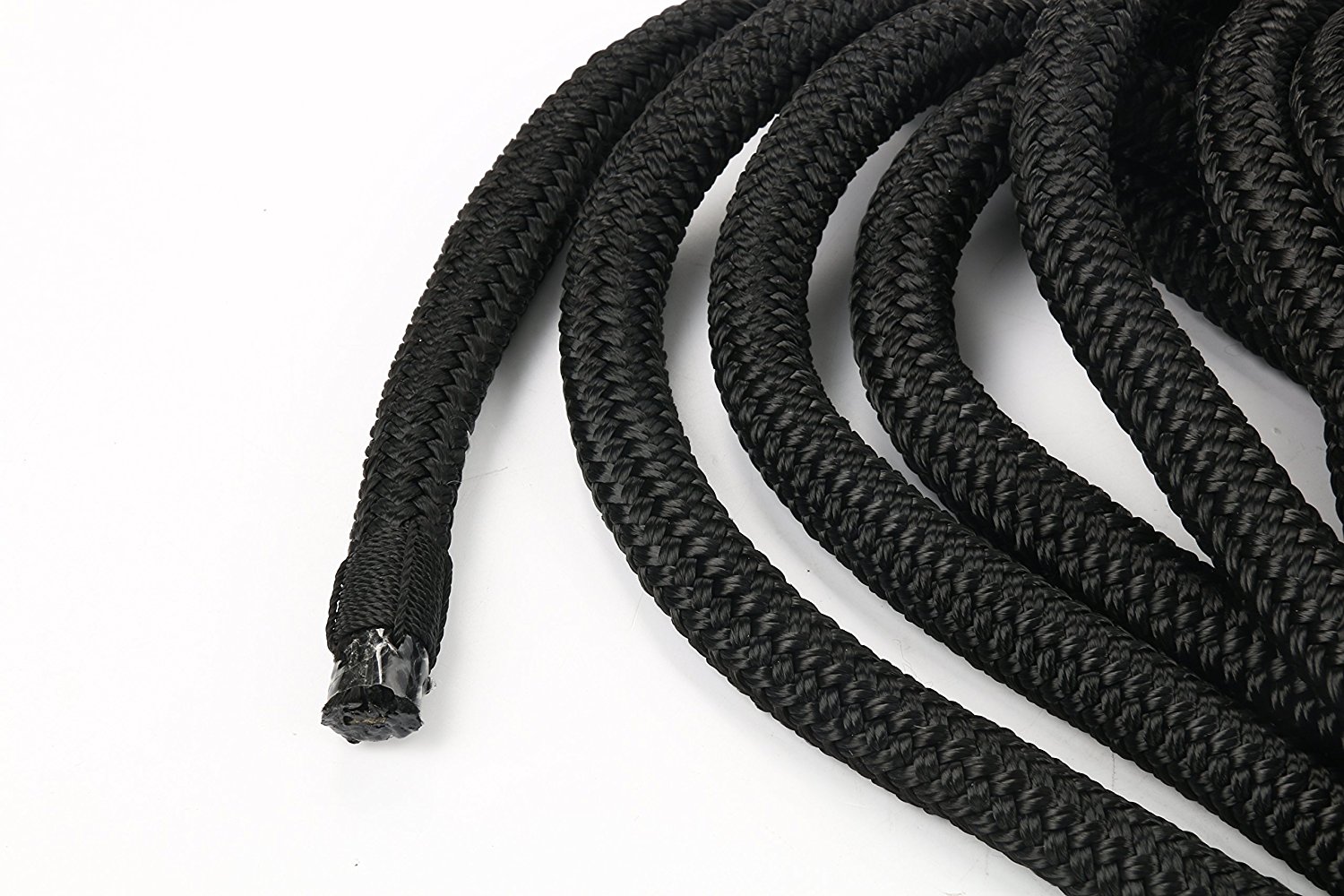
Having said that, all the above we were soon irresistibly attracted to the idea of owning a brand spanking shiny and new boat, like a moth drawn to a flame, if you like. That “new car smell”, although a bit (mmmmm a lot!) superficial, nothing beats that. Having a choice of the latest designs, styles, features and gear somehow gives you that sense of hands on involvement in the creation of your yacht, the optional extras, upholstery colour and even the hull colour.
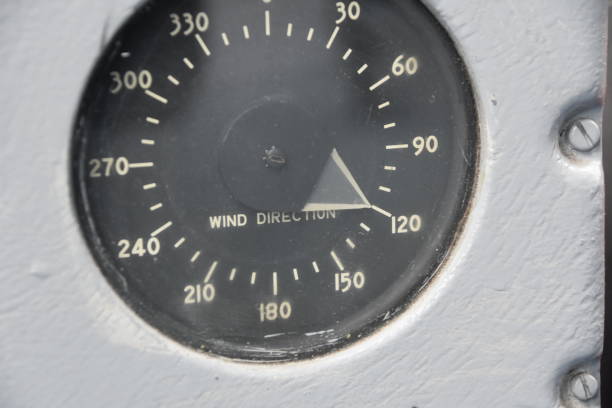

For a new boat one pays that premium upfront and it is free for a year (warranty). Another thing to consider, is the enhancements the boat builders is learning off and approving on. Newer boats tend to be more efficient, more streamline, every space optimized, performance increased, structural integrity enhanced, etc. You for sure lose a lot of money the moment the boat hits the water, but for me, it was worth it.
Boat designers have optimized the space below deck far more effectively giving ample more cabin space as well as storage. You get to choose a layout that suits your specific needs, bypassing the possibility of having only 1 head and 12 metabolic systems to service that can put you in a crappy situation (no pun intended).
Aaaaahh, my all-time favourite ELECTRONICS!! Being the IT guy I’m like a kid left in a candy store. We have opted for quite a bit of add on’s like forward scanners and any more. We will definitely be doing a lot of fishing, but have no desire to get caught in a fish farm.
Everything new . . . Warranty, warranty, warranty!! What a pacifier. Total peace of mind because it is fairly common knowledge that new boats (all new things for that matter), will have a fault or breakdown at some point in time.
So, new Catamaran it is.
What size of Catamaran?
Now we get to the size. Bigger is better, but bigger is way, like magnitudes, more expensive. Also, bigger still up to a point, has two hulls, two engines, three or four cabins, three to four heads, a gully, saloon, and sails. It just has more space. And believe me, people in bigger houses? They still use as many rooms and space as people with smaller houses. It looks fancier, but the secret is…out on the sea? There are not many neighbours driving past your cat and admire it so, then not too big. How small then? I have seen many YouTube videos of a 13-year-old girl in a tiny boat circumnavigate the globe! But, I have done this in a 40ft cat before and in my own opinion, was this a bit too small. Not so much the onboard space, because we only saw each other during dinners or lunches, the rest of the time we disappeared into your cabins and slept during the ocean crossing. It is the surfing and the sail area. The 40ft is very capable to cross oceans and we did have our share of tropical storms, but the speed was always around 5-7 knots. We managed to surf for a short stretch, but the waves always outrun us. The bigger ones like 46ft (I am told), can surf longer and much steadier. Further, it is capable of handling larger sails, which is great when the wind is a soft breeze. The bigger the sail, the better one can catch the light winds. Then, there is the thing about more space for engines, for water makers, and generators. More space to work around them too.
So, a new 45ft Catamaran it is.
Links section
Patreon: https://www.patreon.com/SailingSisu/posts
Sailin Sisu Blog: https://sailingsisu.blog/
Facebook: https://web.facebook.com/SailingSisu
Twitter: @SailingSisu.
Instagram: https://www.instagram.com/sailingsisu/
David Pascoe’s explanation of how to calculate http://www.yachtsurvey.com/boatbuying.htm
Marine Surveyor: http://www.marinesurvey.org/

 Sailing Sisu